
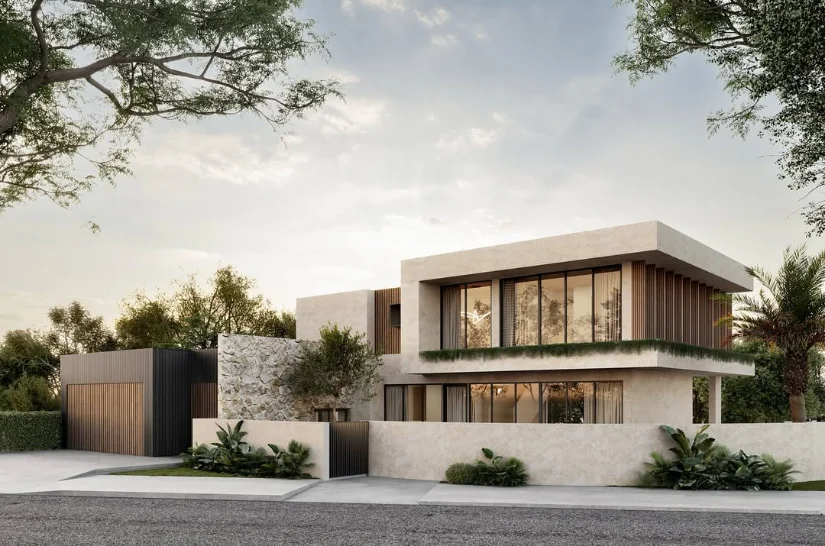
North-Facing and Net-Zero: Designing Your Energy-Efficient Custom Home for the Australian Climate
Let’s be honest: Australian summers are getting hotter. Winters, while milder, can still bite. And energy bills? They seem to have a personality of their own—one that’s not very friendly.
For anyone dreaming of a new home, this raises a critical question: how do you build a house that stays comfortable year-round without relying on air conditioners running non-stop and a power bill that makes your eyes water?
The answer lies in smart, intentional design. Building an energy-efficient home isn’t about sacrificing style or comfort. It’s about working with our climate, not against it. And the best part? It’s one of the smartest investments you’ll ever make.
The Golden Rule: Orientation Matters More Than You Think
Before you even pick out your kitchen benchtop or choose your bathroom tiles, the single most important decision you’ll make is how your home sits on your block of land.
In Australia, the golden rule is simple: north-facing living areas. Why? In winter, the sun sits lower in the northern sky, streaming warmth and light directly into your main living spaces. In summer, the sun is higher, making it easier to shade those same windows with clever eaves or awnings.
This passive solar design is the foundation of any truly efficient home. It’s free heating in winter and natural protection from the summer heat. A good builder will assess your block and work with you to position your home to harness this natural energy from day one.
Passive Design Principles: Letting the House Do the Work
Orientation is just the start. True energy efficiency comes from a handful of clever, passive design principles that work together seamlessly.
Cross-Ventilation: This is about creating a breeze. By strategically placing windows and doors on opposite sides of a room, you allow air to flow naturally through the home. On those balmy evenings, you can open up and let the fresh air cool things down without touching a thermostat.
Thermal Mass: This sounds technical, but it’s a simple concept. Materials like concrete, brick, or stone absorb heat during the day and release it slowly when temperatures drop. In winter, this means your home stays warmer for longer after the sun goes down. In summer, it helps regulate temperature swings.
Shading That Works: Forget decorative awnings. Purposeful shading—like correctly sized eaves, external blinds, or pergolas—blocks the harsh summer sun while allowing the lower winter sun to penetrate. It’s the ultimate passive temperature control.
Material Selection: Building a Better Envelope
Think of your home like a cooler bag for your family. The better the insulation, the longer the contents stay at the right temperature. The same applies to your house.
Choosing high-quality materials for your walls, roof, and windows creates a robust thermal envelope. Products like Hebel (aerated concrete) or insulated concrete forms offer superior insulation compared to standard brick veneer. And windows? Double-glazing is no longer a luxury—it’s a necessity for keeping the heat out in summer and the warmth in during winter.
These choices do have an upfront cost, but the payback comes in year-after-year energy savings and a home that feels comfortable no matter the weather outside.
Active Systems: Solar and Beyond
Once your home is doing the heavy lifting through passive design, it’s time to look at active systems to finish the job.
Solar panels are the obvious hero here. Australia is one of the sunniest countries on earth—not harnessing that power is like leaving money on the table. Pairing a quality solar system with a battery means you’re not just generating power; you’re storing it for evenings and cloudy days.
Consider going further. Solar hot water systems, rainwater tanks for gardens and toilets, and even greywater recycling can dramatically reduce your home’s environmental footprint and your ongoing costs. When all these elements come together, you’re moving towards the ultimate goal: a net-zero energyhome.
Why This Matters More Than Ever
Building an energy-efficient home isn’t just about being green. It’s about smart economics and everyday comfort.
It means predictable, lower energy bills for the life of your home. It means fewer arguments about the thermostat. It means a home that feels naturally comfortable—warm in winter, cool in summer—without relying on mechanical systems. And as energy costs continue to rise, that peace of mind becomes increasingly valuable.
The Bottom Line: Start with the Right Team
Not every builder understands how to integrate these principles into a beautiful, functional home. Many project builders stick to standard designs that ignore orientation and passive solar basics.
This is where a custom builder makes all the difference. A sustainable home builder who specialises in custom homes will have the knowledge and experience to design for your specific block and climate. They’ll guide you through material choices, ensure proper orientation, and help you balance upfront investment with long-term savings.
Your home should work for you—not just today, but for decades to come. Designing with energy efficiency at the core isn’t a compromise. It’s simply the smart way to build.