
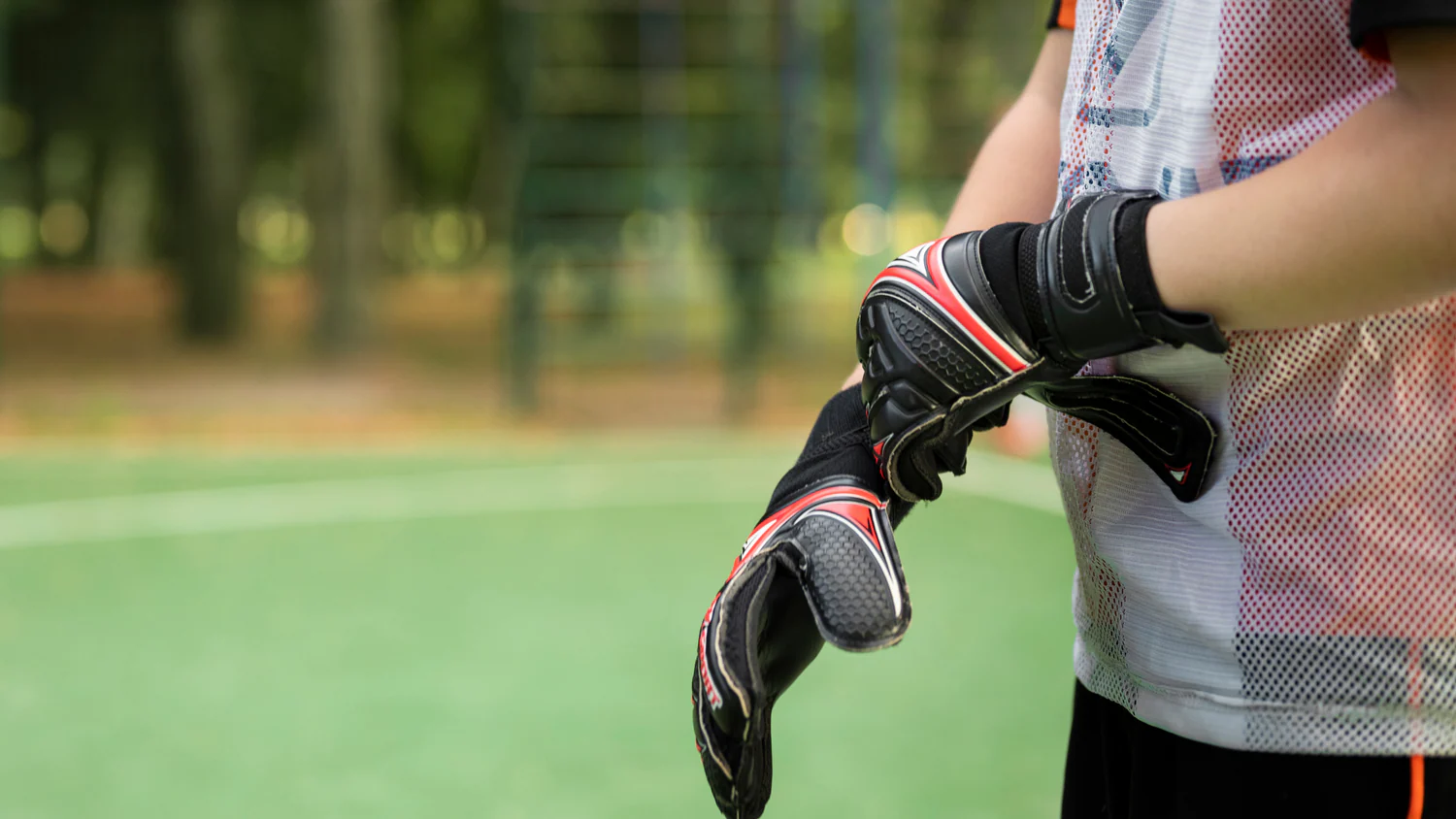
Football goalkeepers rely on their hands more than any other player on the field. Because of this, the importance of selecting the right goalkeeper gloves cannot be overstated. These gloves provide the grip, cushioning, and protection necessary to handle powerful shots, crosses, and unpredictable ball movement. Whether playing in a competitive league or training with a local club, the right gloves can greatly influence a goalkeeper’s confidence and performance.
Many players search for best quality goalkeeper gloves that deliver professional-level performance while maintaining comfort and durability. With advancements in sports equipment technology, modern gloves are designed to offer improved grip, better finger protection, and enhanced flexibility. Brands like TechGrip focus on innovative materials and ergonomic designs that help goalkeepers perform at their highest level.
The Importance of Grip and Ball Control
One of the main purposes of goalkeeper gloves is to improve grip on the ball. During matches, goalkeepers must deal with shots traveling at high speeds, often in wet or slippery conditions. High-quality latex palms help create friction between the glove and the ball, making it easier to catch or deflect difficult shots.
When searching for best quality goalkeeper gloves, players should prioritize models that feature advanced grip technology. Premium latex materials are specifically designed to maintain strong contact with the ball even during rainy matches or intense gameplay. This improved grip allows goalkeepers to handle crosses and rebounds with greater confidence.
Comfort and Fit for Optimal Performance
Comfort plays a major role in the effectiveness of goalkeeper gloves. Gloves that fit poorly can limit hand movement and reduce control over the ball. A properly fitted glove should feel snug without being restrictive, allowing the fingers to move naturally when catching or throwing the ball.
Many best quality goalkeeper gloves use specialized cuts such as negative cut, roll finger, or hybrid cut designs. These styles are engineered to create a close fit around the fingers, improving ball contact and overall control. In addition, breathable fabrics and moisture-wicking linings help keep hands cool and dry throughout the match.
Protection Against Impact and Injuries
Goalkeepers frequently face powerful shots that can place significant stress on their hands and fingers. That is why goalkeeper gloves are designed with protective features that help reduce the risk of injury. Some gloves include finger support systems or flexible spines that prevent hyperextension while still allowing natural movement.
Players looking for best quality goalkeeper gloves should consider options that balance protection and flexibility. Gloves that are too rigid may restrict hand motion, while gloves that lack support may increase the risk of finger injuries. Finding the right balance ensures both safety and performance during competitive matches.
Durability for Training and Competitive Matches
Goalkeepers often train several times a week, which means their gloves must withstand repeated use. Durable goalkeeper gloves are typically made with reinforced stitching and abrasion-resistant materials that can handle both natural grass and artificial turf surfaces.
When evaluating best quality goalkeeper gloves, durability is an important factor. High-grade latex palms and strong backhand materials ensure the gloves maintain their grip and structure even after many training sessions. Investing in durable gloves not only improves performance but also reduces the need for frequent replacements.
Modern Design and Technology
The design of goalkeeper gloves has evolved significantly over the years. Modern gloves now incorporate lightweight materials, flexible backhand panels, and ergonomic shapes that follow the natural movement of the hand. These improvements help goalkeepers react faster and maintain better control during crucial moments in the game.
Many best quality goalkeeper gloves also feature advanced wrist support systems. Adjustable straps and elastic closures keep the gloves securely in place, preventing unwanted movement during dives or high-impact saves. This stability helps goalkeepers maintain full focus on the ball.
How to Choose the Right Gloves
Selecting the perfect goalkeeper gloves depends on several personal preferences and playing conditions. Some players prefer thicker latex palms for maximum grip, while others choose thinner palms for better ball feel. The playing surface, weather conditions, and level of competition can all influence the ideal glove choice.
For those searching for best quality goalkeeper gloves, it is helpful to test different cuts and materials to find the most comfortable option. Goalkeepers who play frequently may also benefit from owning multiple pairs—one for matches and another for training.
Proper Care and Maintenance
Taking care of goalkeeper gloves is essential for maintaining their grip and longevity. After each match or training session, gloves should be gently washed to remove dirt and sweat that can damage the latex palm. Proper cleaning helps preserve the glove’s performance.
Players who invest in best quality goalkeeper gloves should also store them properly. Keeping gloves in a breathable bag and allowing them to air dry naturally helps prevent material damage and maintains their shape over time.
Final Thoughts
Goalkeepers have one of the most demanding roles in football, and their equipment must support quick reactions and strong ball control. Choosing reliable goalkeeper gloves ensures players have the grip, protection, and comfort needed to perform with confidence.
By exploring modern designs and focusing on performance features, players can find best quality goalkeeper gloves that match their playing style. With the right pair of gloves, goalkeepers can improve their handling, reduce the risk of injury, and stay prepared for every save throughout the game.