
A delivery schedule starts protecting a consignment long before the driver reaches the customer. The order of stops, expected waiting time, route choice and unloading window all influence how long goods remain on the vehicle and how often they are handled. Good scheduling cannot remove every transport risk, but it can reduce unnecessary exposure.
Before departure, the first question is not simply “Which stop is closest?” A useful sequence also considers delivery time slots, vehicle access, traffic patterns and the condition of the load after each drop. Multi-drop work can change the balance of the remaining goods. If removing one section leaves gaps or alters weight distribution, the load may need to be checked and secured again before the vehicle continues.
The next issue is waiting. A vehicle that arrives far too early may spend a long period parked with goods still on board. A late arrival can create a different problem if unloading becomes rushed or the receiving site is close to shutting. Realistic appointment times help reduce both extremes. Drivers should have a clear way to report delays so later customers can be updated rather than expecting the driver to recover lost time unsafely.
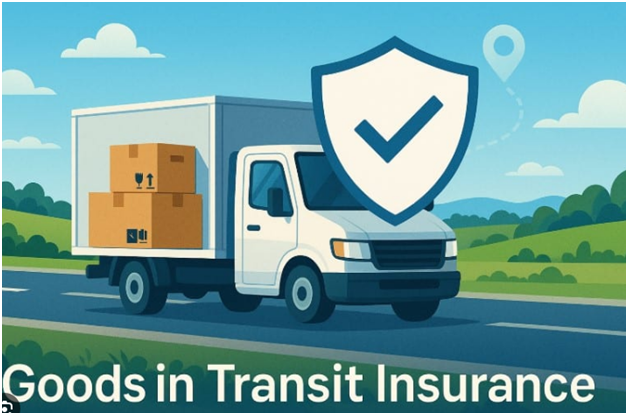
Goods in transit insurance is designed to protect the items being carried against specified risks such as loss, theft or damage while they are being transported, subject to the policy terms. It is different from the motor cover for the vehicle itself and may be bought separately or added to another commercial policy. The benefit of suitable goods in transit insurance is that the value and exposure of the cargo can be considered directly rather than assuming the vehicle policy automatically covers the goods.
Scheduling also shapes security decisions. A route that includes an overnight stop, a long break or a known period of waiting may require more thought about where the vehicle can safely stand. The safest option will depend on the journey, the type of goods and the facilities available. Drivers should follow their employer’s security procedures and avoid leaving cargo exposed simply because the timetable has changed.
Handling frequency matters as well. Every collection, reorganisation and delivery is another point at which packaging or restraints can be disturbed. DVSA load-security guidance says everyone involved in loading, transporting and unloading goods has responsibilities, and it recommends checking restraints during the journey, particularly where straps or chains can lose tension or where a load may settle. A sensible schedule leaves room for those checks.
The middle of the route often reveals whether the plan was realistic. If two customers take longer than expected, the remaining jobs may need to be reordered. That is not necessarily a planning failure. A rigid timetable that ignores real conditions can create more pressure than a plan that allows controlled changes. Drivers need accurate contact details and clear authority to report when a revised arrival time is safer than rushing.
For businesses carrying customers’ property, cargo cover can form one part of a wider risk approach. It does not replace secure loading, careful driving, suitable packaging or documented handling instructions. Those controls aim to prevent loss or damage, while insurance responds only according to the cover and conditions agreed in the policy.
At the final stop, the schedule still matters. Drivers may also need time to position safely, confirm the correct recipient and follow any agreed delivery procedure before the goods leave their control. Enough time should remain to hand goods over properly, note visible damage where procedures require it and complete any delivery records. A hurried signature is a poor substitute for a clear handover.
The strongest schedules protect more than punctuality. They give drivers enough room to make safe decisions, check the remaining load and respond to delays without turning each change into a crisis. goods in transit insurance can provide financial protection for defined cargo risks, while disciplined scheduling reduces avoidable opportunities for those risks to arise.